

Key Takeaways
- New Haven averages about 28 inches of snow a winter, with January the snowiest month at roughly 8 inches and overnight lows in the low-to-mid 20s.
- When the mayor declares a snow emergency, a citywide parking ban kicks in: no parking downtown or on posted routes, and odd-side-only parking in residential zones, with free school lots opened for off-street parking.
- Homeowners must clear sidewalks within 24 hours after a storm ends, to at least 42 inches wide, and snow must never be pushed into the street.
- Heating a typical 2,000-square-foot Connecticut home runs roughly $2,500 to $5,000 a year, and the Energize Connecticut Home Energy Solutions audit is the smart first step for any older home.
October in New Haven Connecticut is still showing off its fall colors, but anyone who has lived here a full year knows what comes next: winter, in the real New England sense of the word. If you are relocating north and this will be your first cold season, here is the honest local briefing. The storms are real, the city has specific snow-day rules that surprise transplants, and a little preparation turns winter into one of the coziest parts of living in New Haven.
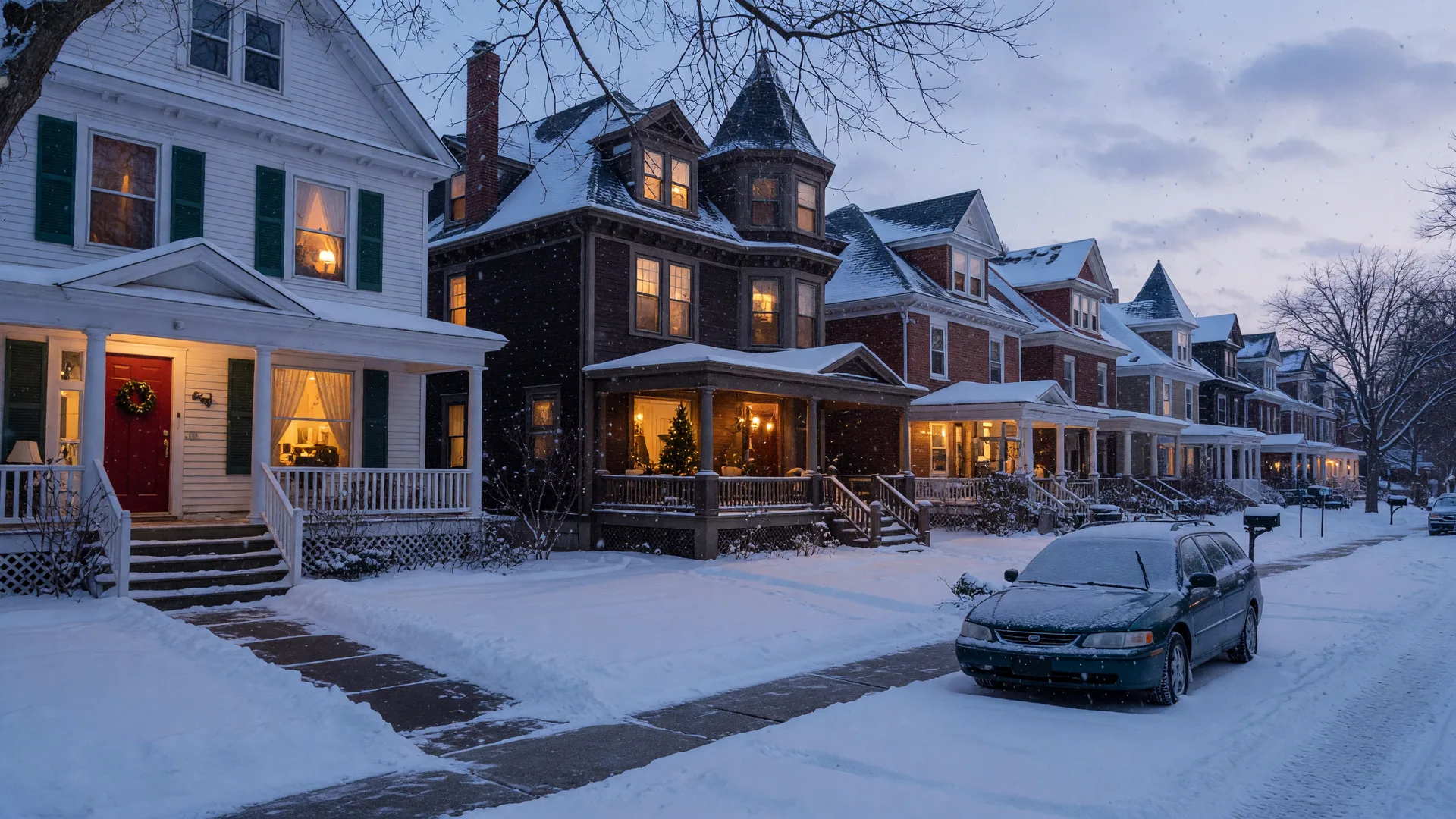
New Haven winters are milder than inland Connecticut, but they are still real winters: about 28 inches of snow and January lows in the low twenties.
What Winter Actually Looks Like Here
New Haven's spot on Long Island Sound keeps winter gentler than the state's northwest hills, which can see well over double the snow. The city averages about 28 inches of snow per season, with January the snowiest month at roughly 8 inches. Overnight lows from December through February sit in the low-to-mid 20s, and daytime highs mostly stay in the upper 30s to low 40s. Storms roll in as classic nor'easters off the water; the first flakes often fly in late November or December, and by late March the season is usually winding down.
When It Snows, Learn the Parking Rules First
The biggest New Haven-specific surprise for newcomers is parking. When the mayor declares a snow emergency, a citywide parking ban is in effect until lifted. Downtown and posted snow routes are no-parking on either side of the street. In residential zones, you park on the even-numbered side only, leaving the odd side clear for plows. Never park within 25 feet of a fire hydrant, intersection, or bus stop. The city opens free off-street lots, including public school lots, during storms, and towing is a real possibility, not a polite threat.
The Sidewalk Rules Your Landlord or Neighbor Will Mention
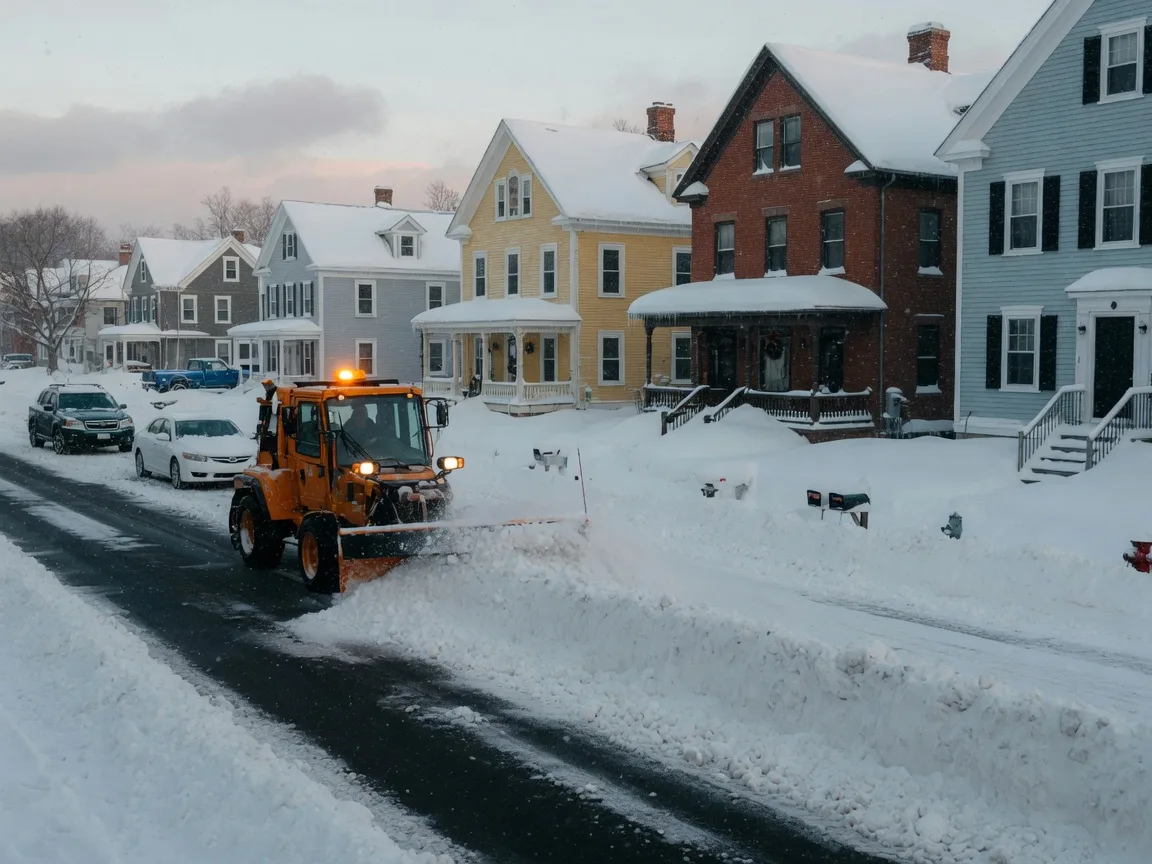
Two sidewalk rules round out the winter code: snow must never be pushed into the street, and property owners are required to clear the sidewalk in front of their home within 24 hours after a storm ends, to at least 42 inches wide, sanding or salting whatever ice remains. Owners can be held responsible if someone slips on an uncleared walkway, so this is one lease clause worth reading twice.
Check the Heat Before You Sign Anything
A lot of New Haven's housing stock is older, and the charm comes with radiators, oil tanks, and drafty windows. Heating a typical 2,000-square-foot Connecticut home runs roughly $2,500 to $5,000 a year; oil averages about $3,100 versus roughly $1,650 for natural gas, so the fuel source genuinely matters. Before you buy, have the home inspection dig into the boiler or furnace's age, the chimney, and the attic insulation, and budget for the Energize Connecticut Home Energy Solutions audit: about a $40 copay these days, free for income-eligible households, with a blower-door test, on-the-spot air sealing, and a road map for the upgrades that pay off every January.

The Winter Rhythm of the City
Once you are settled, New Haven winters are genuinely pleasant. The city plows main roads first and side streets after; New Haven Public Schools post snow-day announcements on the district website and local stations, so sign up early if you have kids. Yale's spring semester begins mid-January, bringing the downtown hum back just as the cold settles in. Farmers markets pause for the season, and locals trade beach trips for skating, the tree lighting, and the holiday lights collected in our guide to winter fun in New Haven.
Winter is the season that tells you whether a house is truly the right fit, and I enjoy helping families find one that is warm in every sense. When you are ready to look, reach out to Robert Clarke at Coldwell Banker Realty by calling or texting (203) 936-9004 or emailing rob@robandvicCT.com. Whether you are house hunting now or just want the honest scoop on New Haven real estate, you will have a local on your side.
Frequently Asked Questions About Winter in New Haven
- How much snow does New Haven, Connecticut get in an average winter?
- About 28 inches, with roughly 8 inches falling in January, the snowiest month. Sitting on Long Island Sound keeps the city's totals lower than inland towns, where the Litchfield hills can see well over double. Coastal storms also bring their share of ice and freezing rain, so treat any winter weather forecast as a reason to plan ahead.
- Do renters have to shovel the sidewalk in front of their building?
- New Haven requires the property owner to clear sidewalks within 24 hours after a storm ends, to at least 42 inches wide, and owners can be held liable if someone falls on an uncleared walkway. Leases often assign that duty to tenants, so read yours before the first storm and know who owns the shovel.
- Are New Haven winters manageable for someone moving from a warmer state?
- Yes, with the right expectations. Highways and main roads are plowed promptly while side streets take longer, all-weather or winter tires and a good pair of boots cover most of the adjustment, and January lows in the low 20s are cold but survivable with proper layers. The city stays lively all season, and by April the cherry trees are already returning to Wooster Square.

About the Author
Robert Clarke is a licensed Connecticut real estate agent with 30 years of experience helping families buy and sell homes across New Haven and all of Connecticut. With a Master's degree from George Washington University and a background in systems engineering, Robert brings a thoughtful, analytical approach to New Haven real estate, and he has shoveled more than his share of New Haven sidewalks.
Contact Robert at (203) 936-9004 or rob@robandvicCT.com.
Related Articles
-
5 Things People Wish They Knew Before Moving to Connecticut
The bigger picture on cost of living, winter weather, traffic, and why newcomers rarely leave.
-
Moving to New Haven in the Fall: A Family Relocation Guide
School timing, market numbers, and a practical relocation checklist for arriving before the snow flies.
-
The Holiday Season in New Haven: Skating, Lights, and Winter Fun
Ingalls Rink, the tree lighting on the Green, the Fantasy of Lights, and the Nutcracker at the Shubert.
-
The True Cost of Living in New Haven, Connecticut in 2026
The real monthly numbers, including winter utility season, broken down neighborhood by neighborhood.
Written by Robert Clarke, Connecticut Licensed Real Estate Agent, License #0815837, Coldwell Banker Realty