

Written by Robert Clarke, Connecticut Licensed Real Estate Agent, License #0815837, Coldwell Banker Realty
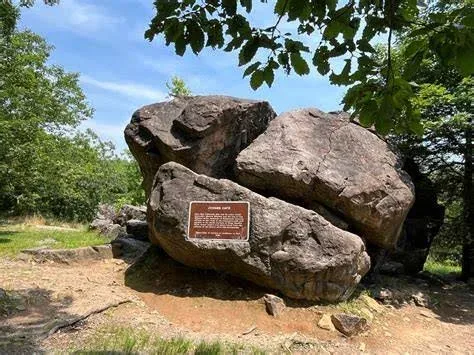
Tucked into the wooded slopes of West Rock Ridge State Park lies one of New Haven's most intriguing historical landmarks: Judges Cave. This natural rock shelter, formed by fractured diabase boulders, once sheltered two English regicides who fled across the Atlantic after signing the death warrant of King Charles I. The story behind this quiet stone formation is far more dramatic than its peaceful setting suggests.
Who Were the Regicides?
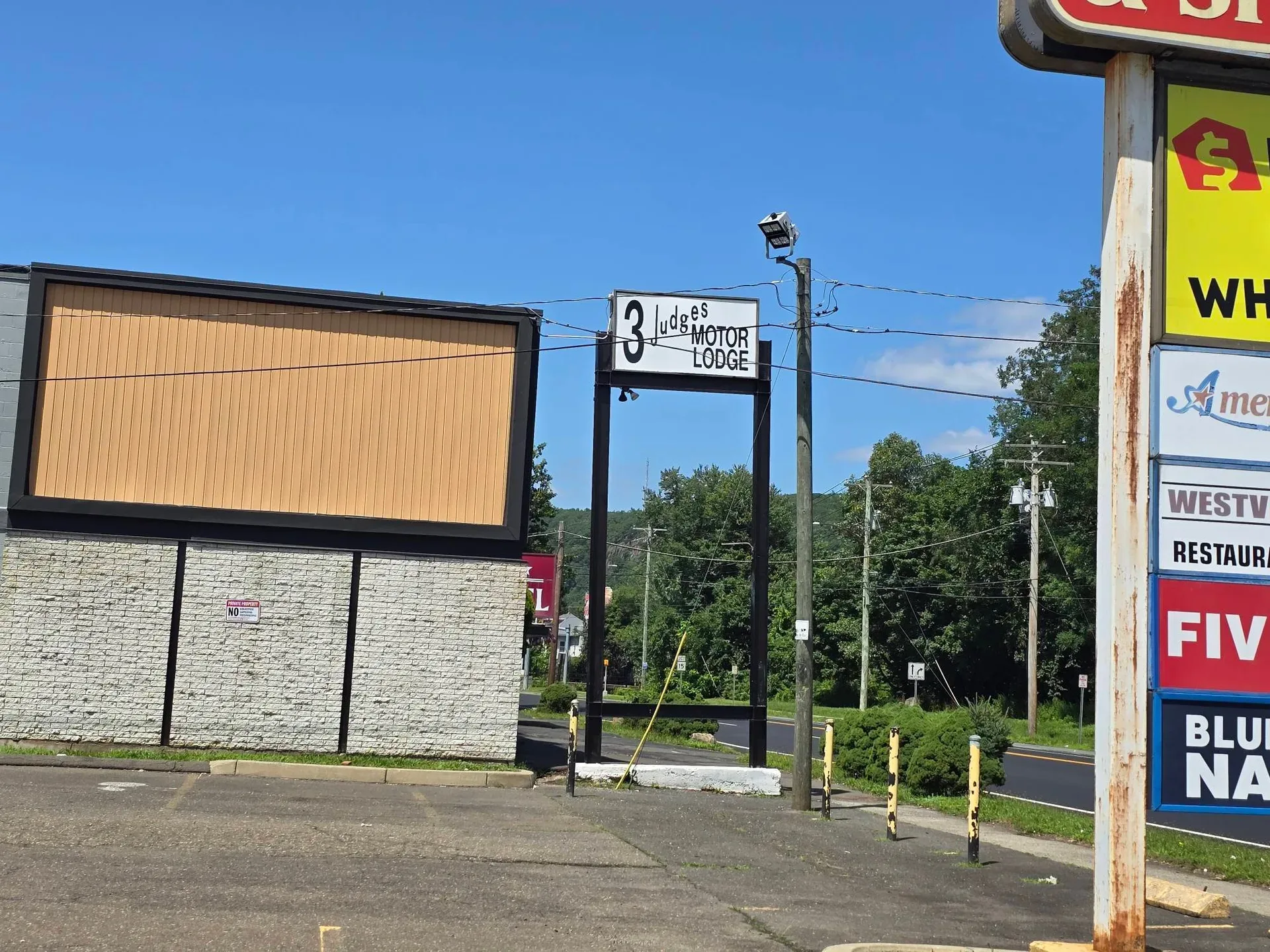
The word "judge" in Judges Cave doesn't mean ordinary professional judges. Edward Whalley and William Goffe were members of the special High Court that tried King Charles I after the English Civil Wars. Charles was convicted and executed in January 1649, and 59 men signed the death warrant, including Whalley, Goffe, and a third man named John Dixwell.
After the monarchy was restored in 1660, those associated with the trial became known as regicides, literally "the king-killers." A royal proclamation dated September 22, 1660, offered a reward of £100 for each man (alive or dead), and ordered officials throughout the king's dominions to search for and arrest them. Anyone who harbored them faced severe punishment.
The Three New Haven Regicides
Edward Whalley was a senior Parliamentary cavalry officer and major-general who signed Charles I's death warrant. He was William Goffe's father-in-law.
William Goffe was a Parliamentary officer, major-general, and devout Puritan who also signed the warrant. His now-lost diary is a key source for their movements.
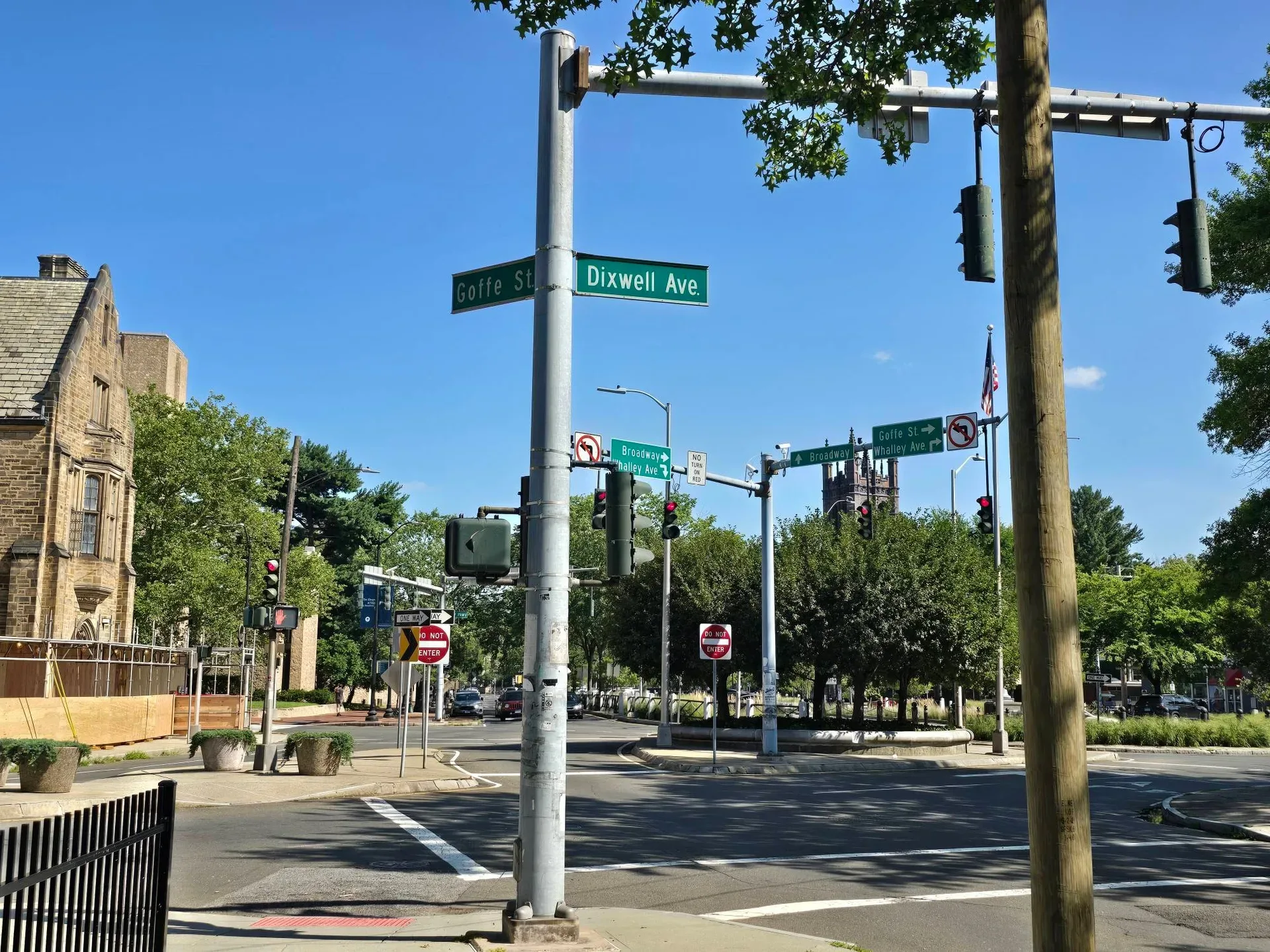
John Dixwell was a regicide who lived in New Haven under the alias "James Davids" until his death in 1689. Importantly, there is no documented evidence that Dixwell ever stayed in the cave, despite the common "three judges" phrasing you sometimes hear.
The Flight to New Haven
In the summer of 1660, Whalley and Goffe arrived in Boston and later sought refuge in New Haven, where the minister John Davenport was sympathetic to their Puritan cause. They left the Cambridge area on February 26, 1661, and arrived in New Haven on March 7, 1661.
In late March, they pretended to leave New Haven for Milford and New York but instead went into hiding, staying first with John Davenport and then with William Jones. When royal pursuers Thomas Kellond and Thomas Kirke arrived in mid-May, the fugitives were moved to Hatchet Harbor and later to a rock formation on West Rock.
The Cave Episode: May to August 1661
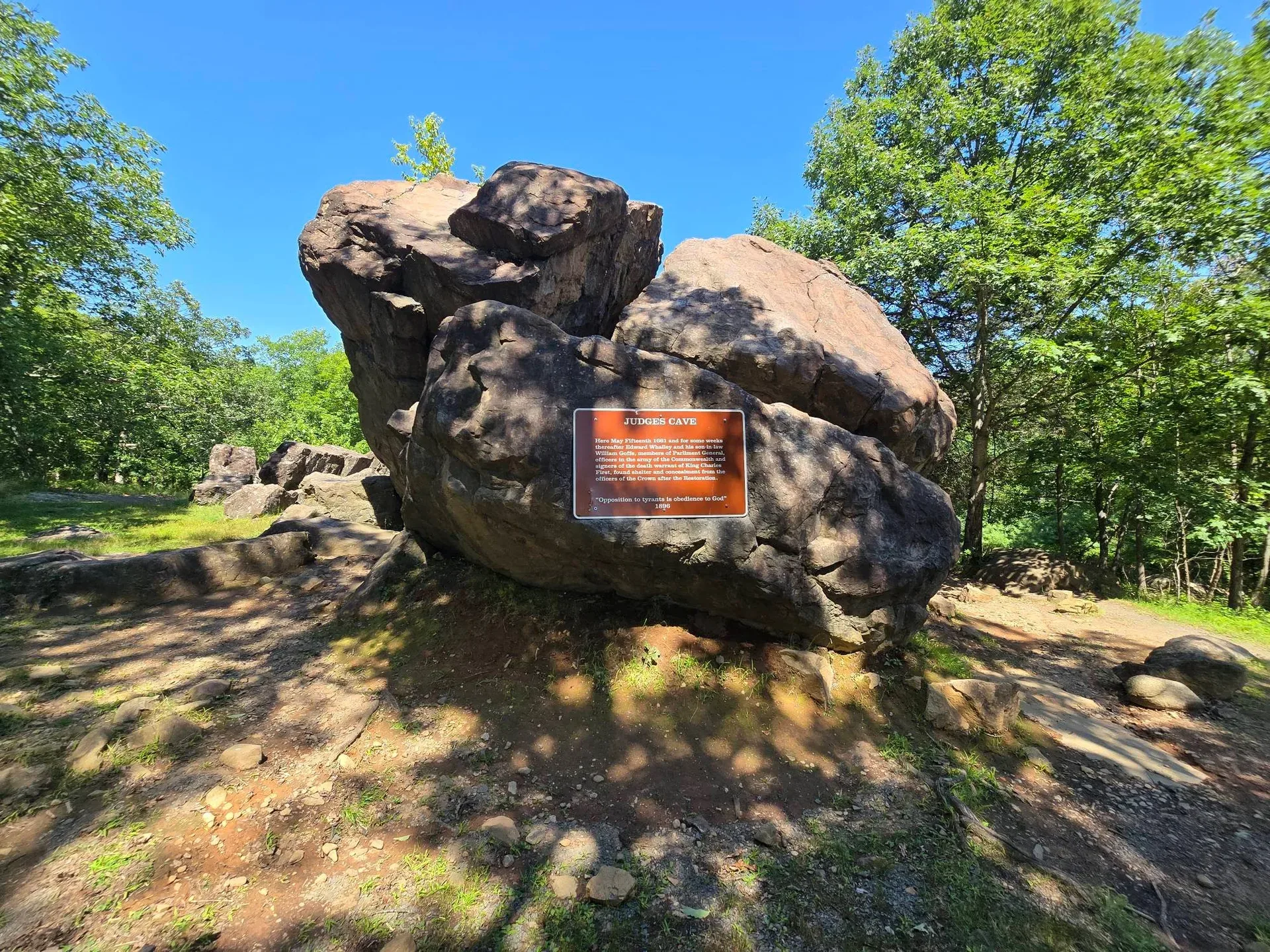
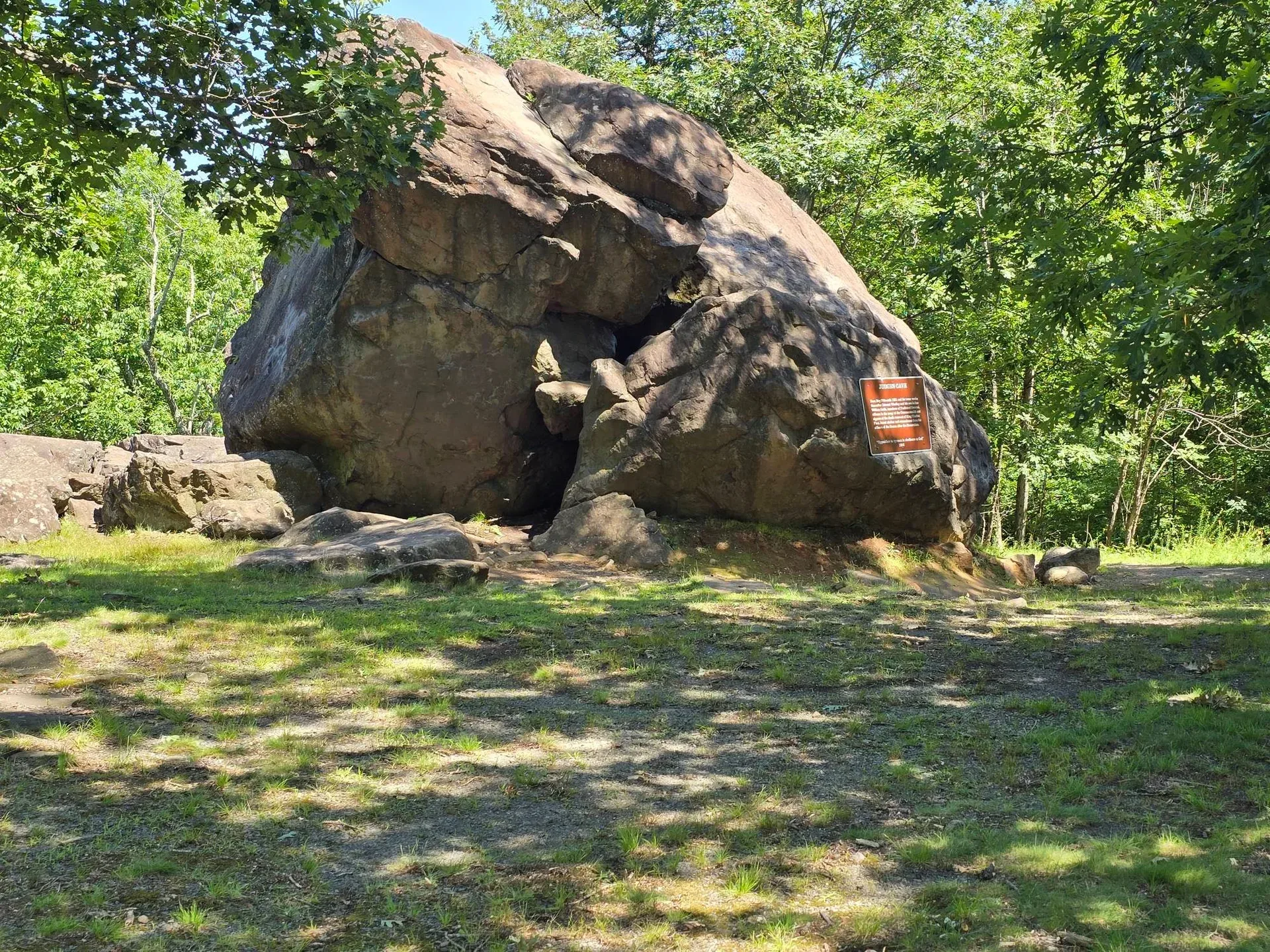
Whalley and Goffe stayed in Judges Cave, a cluster of large, fractured diabase boulders, from May 15 to June 11, 1661, their first continuous stay. The cave offered roofed cavities large enough for bedding and two to three people, with openings that could be screened with branches.
On June 11, they briefly left the cave and considered surrendering to Governor William Leete in Guilford, but were persuaded otherwise. They returned to West Rock on June 24 and moved between the cave, Hatchet Harbor, and other shelters until August 19. Simplified accounts that say they stayed "about a month" only refer to their first continuous stay. They returned multiple times.
1664: A Final Return
When royal commissioners arrived in New England in 1664, the fugitives returned to Judges Cave for "eight to ten days" before being discovered by Native American hunters and moving on. On October 13, 1664, they traveled by night to Hadley, Massachusetts, assisted by minister John Russell. Whalley died sometime before Goffe's last known letter in 1679, but their exact death dates and burial locations remain unknown.
The Concealment Was a Community Operation
Their survival was not a solitary effort in a mountain cave. It was a coordinated protection network involving ministers, magistrates, farmers, householders, and messengers. Key figures included:
- Rev. John Davenport, who sheltered them and defended the obligation to protect the persecuted
- Governor William Leete, who delayed the pursuit using bureaucratic tactics
- Richard Sperry and his family, who lived below West Rock and supplied the cave
- Michael Tomkins, who provided a Milford property as a long-term hiding place
Assistance carried real risk. Charles II's proclamation threatened punishment for anyone harboring the fugitives.
What the "Cave" Physically Is
Judges Cave is not a conventional underground cave. It is a rock shelter or fissure among large, fractured diabase blocks, volcanic rock that formed 200 to 220 million years ago and was shaped by glacial activity approximately 20,000 years ago. The formation consists of a cluster of large, irregular rock pillars approximately 15 to 20 feet high, with voids underneath or between rocks, providing adequate space for bedding and two to three people.
The Most Important Source and Its Limitations
William Goffe's journal (c. 1660-1667) is the central evidence, though the original is now lost. Thomas Hutchinson, Massachusetts governor and historian, possessed one volume in 1766. Ezra Stiles, president of Yale, interviewed Joseph Sperry (grandson of Richard Sperry) in 1785 and documented the Sperry family's oral history connecting the rock formation to the regicides. Stiles later expressed regret for not copying more of the journal before the manuscript disappeared.
Documented History Versus Legend
The story of Judges Cave includes both well-documented facts and colorful legends. The 1660 royal proclamation and Goffe's diary-derived chronology provide strong evidence. But some beloved stories, like a panther frightening the fugitives or food left on a stump by a Sperry child, rest on family tradition recorded a century or more after the events. The "Angel of Hadley" legend, in which Goffe supposedly saved Hadley during a 1675 attack, has no contemporary evidence.
How the Site's Meaning Changed
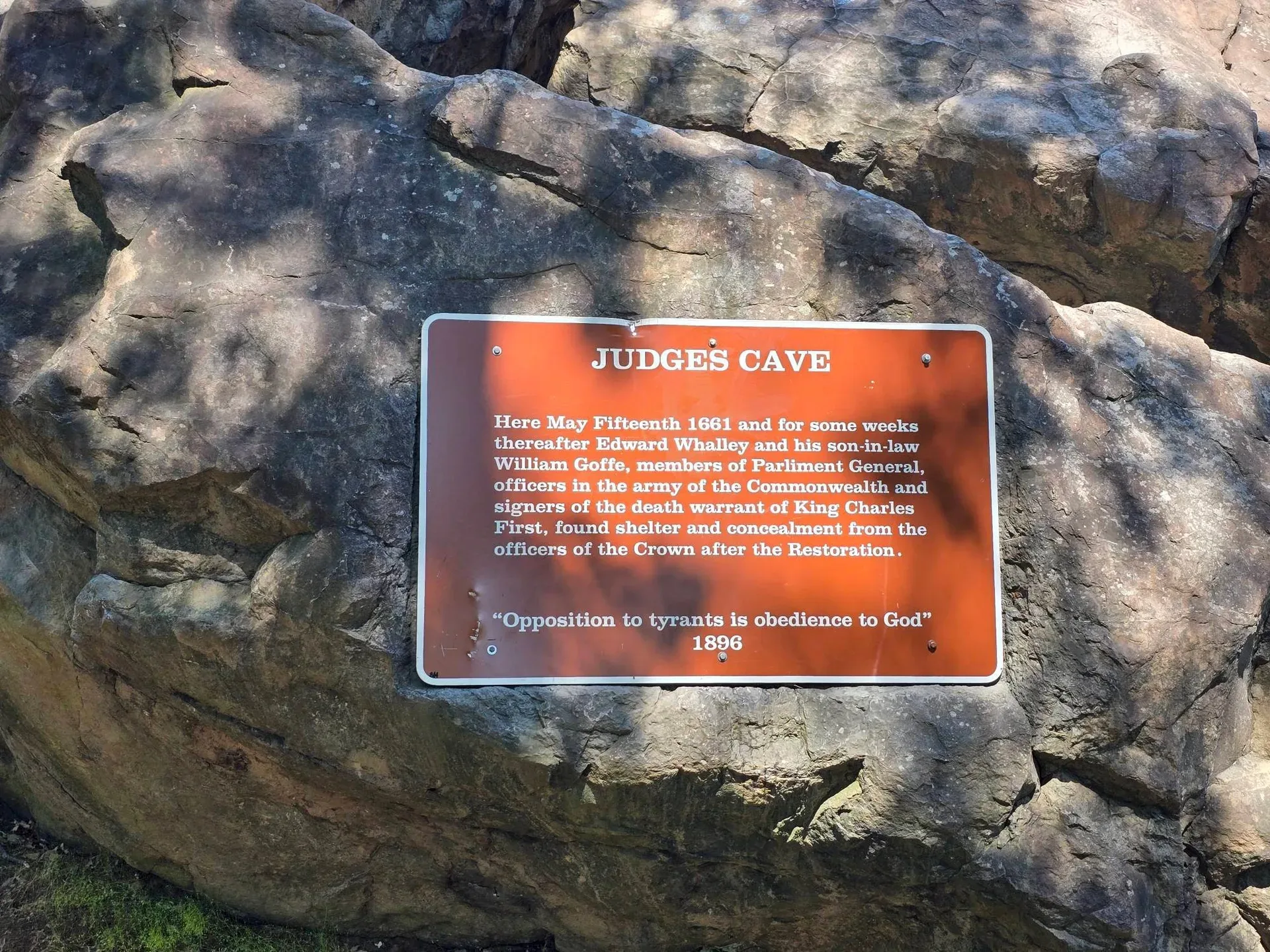
After the American Revolution, Americans reinterpreted the regicides as principled opponents of tyranny rather than murderers of a lawful king. A commemorative plaque installed in 1896 bore the phrase: "Opposition to tyrants is obedience to God." The cave transformed from a hiding place of fugitives into a patriotic monument. Artists like Frederic Edwin Church and authors like Nathaniel Hawthorne and James Fenimore Cooper drew inspiration from West Rock and the regicide story.
Visiting Judges Cave Today
Judges Cave is located near the southern end of West Rock Ridge State Park. Here is what you need to know for a visit:
- Park hours: Daily, 8:00 a.m. to sunset
- Regicide Drive: A 1.6-mile seasonal road from Wintergreen Avenue to the cave and South Overlook
- Vehicle season: Memorial Day weekend through the last weekend in October
- Address: 29 Main Street, Hamden/New Haven, CT 06518
- Phone: 203-287-5658
- Blue-Blazed Regicides Trail: Begins near the South Overlook, passes the cave, and runs north for approximately 7.3 miles
- Scenic views: West Rock rises from roughly 400 feet at the South Summit to over 700 feet further north, offering sweeping views of New Haven, the harbor, Long Island Sound, and East Rock
Why This Story Matters
The Judges Cave story is a reminder that New Haven has always been a place where people sought refuge, built community, and stood up for their beliefs. From the regicides of the 1660s to the vibrant, diverse city it is today, that spirit of resilience runs deep.
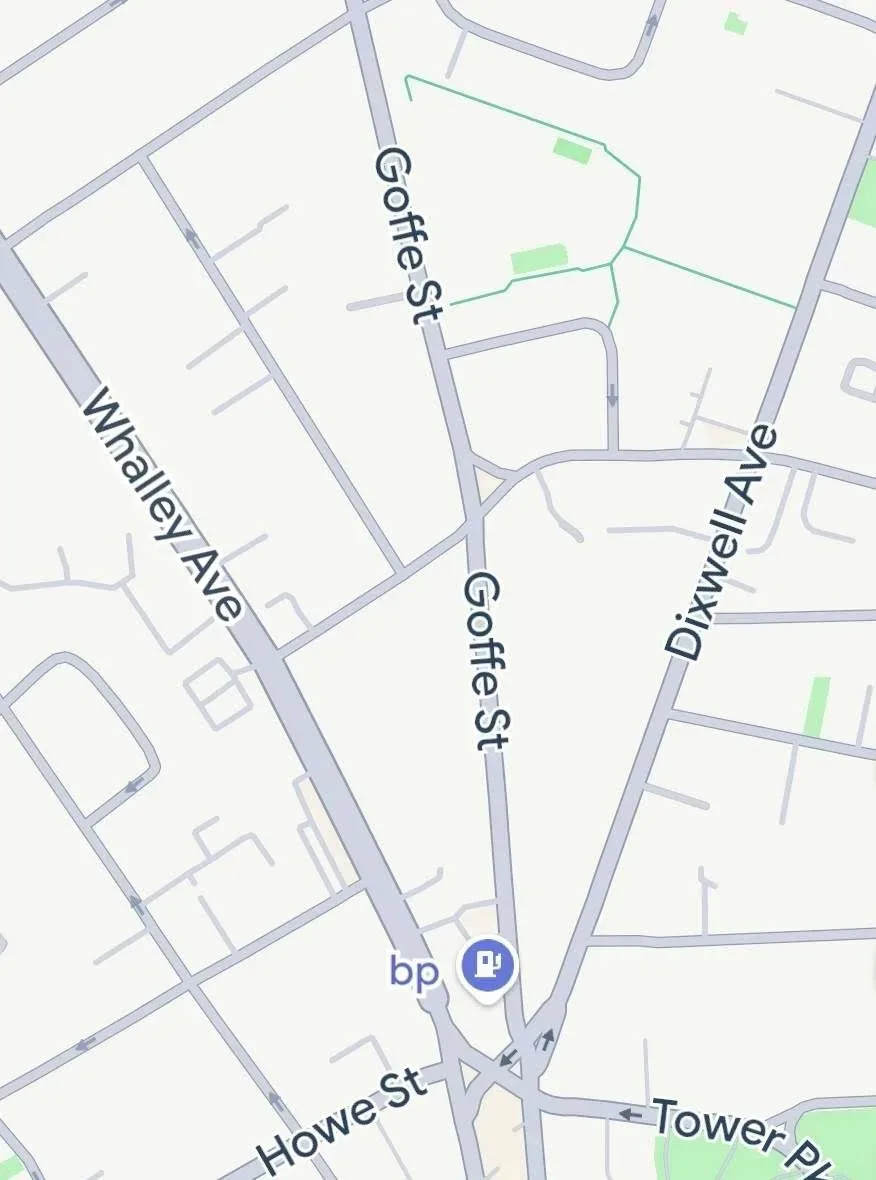
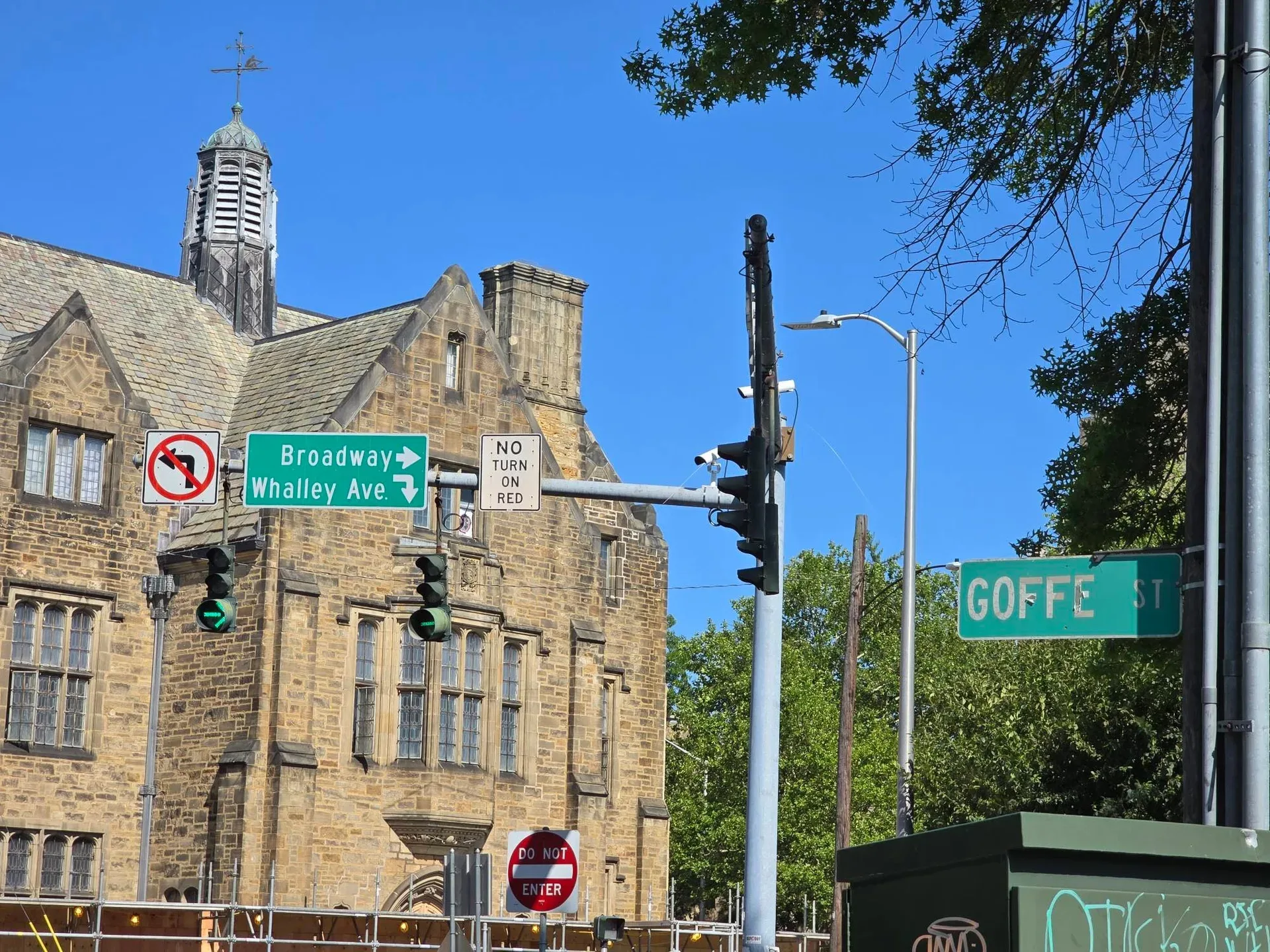
Whether you are hiking the Regicides Trail or simply driving past on Whalley Avenue, knowing this history makes New Haven feel like home on a whole different level.
Want to explore more of New Haven's hidden history and neighborhoods?

Robert Clarke
Licensed Connecticut Real Estate Agent · License #0815837 · Coldwell Banker Realty
Robert Clarke is a licensed Connecticut real estate agent with 30 years of experience helping families buy and sell homes across New Haven and all of Connecticut. With a Master's degree from George Washington University and a background in systems engineering, Robert brings a unique analytical approach to real estate. Contact Robert at (203) 936-9004 or visit robandvicct.com.
Related Articles
- Neighborhood Spotlight: Downtown New Haven
Historic nine squares, Yale's museums, and the most walkable urban core in Connecticut.
- 5 Things People Wish They Knew Before Moving to Connecticut
Shoreline, schools, and commuting insights for newcomers to the Constitution State.
- Why New Haven Is Connecticut's Best-Kept Secret
From world-class pizza to Yale's free art gallery, discover what makes New Haven special.