

Key Takeaways
- Average rent in New Haven is about $2,150 to $2,337 as of mid-2026, with studios starting around $1,874.
- Best renter neighborhoods include East Rock, Downtown, Wooster Square, Fair Haven, and budget-friendly Edgewood.
- CTtransit, Metro-North, and Shore Line East provide solid transit options, with Union Station as the central hub.
- Connecticut tenant protections include a two-month security deposit cap and local Fair Rent Commissions.
If you are looking into living in New Haven and starting with renting, you are in the right place. New Haven, Connecticut is one of those cities where renting actually makes a lot of sense — especially if you want to test drive a neighborhood before committing to a purchase, or if you are relocating for work or school and want to settle in before making a long-term decision.
Whether you are moving for Yale, a new job, or just a change of scenery, New Haven's rental market offers real variety — from downtown high-rises to quiet tree-lined blocks with front porches and corner markets.
What Rents Look Like in New Haven Right Now
As of mid-2026, the average rent in New Haven lands between roughly $2,150 and $2,337, depending on the data source. Studios start around $1,874 to $2,060, one-bedrooms range from about $1,915 to $2,600, and two-bedrooms run from $2,200 to $3,170. Rents have ticked up about 1.7% year-over-year — modest growth compared to many Northeast cities, which is part of what makes New Haven real estate an attractive option for renters and eventual buyers alike.
Of course, averages only tell part of the story. The neighborhood you choose makes a big difference in what you will pay and what kind of lifestyle you will get.
The Best Neighborhoods for Renters in New Haven
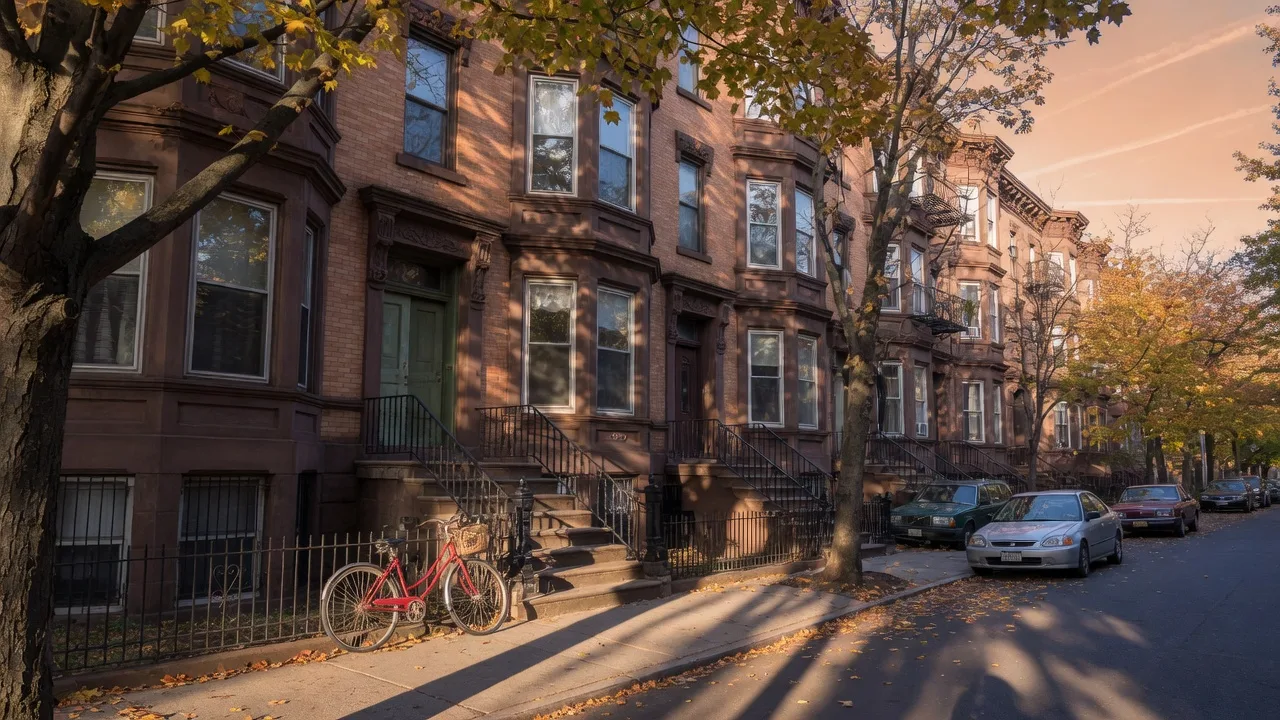
East Rock is probably the most popular renter neighborhood in the city, and for good reason. Orange Street and Whitney Avenue are lined with cafes, shops, and apartment buildings set among mature trees. The neighborhood sits about a mile north of downtown and is walkable, safe, and genuinely communal. Most residents rent here, which means the rental market is active and varied — you will find everything from classic three-flat Victorians to newer condo-style apartments.
Downtown and Ninth Square are for those who want to be in the middle of it all. Loft apartments and high-rise buildings like The Archive and Estelle offer studios through four-bedrooms with modern amenities and garage parking. You can walk to the New Haven Green, the Shubert Theatre, and dozens of restaurants on Chapel Street. If nightlife and convenience are your priorities, this is the area.
Wooster Square is New Haven's historic Italian neighborhood, famous for its cherry blossoms in spring and its brick-lined streets year round. Apartments along Wooster Street, Greene Street, and Chapel Street offer walkable access to some of the best pizza in the country — Pepe's and Sally's are both steps away. Average rents here run around $2,292, and the historic district's character is hard to beat.
For more affordable options, Edgewood averages around $1,394 — well below the city average. The neighborhood sits near Edgewood Park and Beaver Ponds Park and offers easy access to Whalley Avenue shops. Dwight and Westville are other budget-friendly areas with their own personalities: Dwight is close to downtown, while Westville has a village-like strip along Whalley Avenue with independent shops and a strong sense of community.
On the east side, Fair Haven and the quieter Morris Cove area near Tweed Airport offer more square footage for your dollar. Fair Haven's East Grand Avenue and Blatchley Avenue corridors are worth exploring, and the waterfront views along the Quinnipiac River add to the appeal.
Getting Around Without a Car: Transit Options for Renters
One of the best things about living in New Haven is that you do not necessarily need a car. CTtransit operates 24 bus routes across Greater New Haven, including a free shuttle between Union Station and downtown. For commuters, Metro-North Railroad runs from Union Station to Grand Central Terminal in about two hours, and Shore Line East connects New London to New Haven with service seven days a week. Union Station is also an Amtrak stop on the Northeast Corridor, so Boston, New York, and Philadelphia are all reachable by train.
If you bike, the Farmington Canal Trail runs through several neighborhoods and connects downtown to Hamden and beyond. Many renters in East Rock, Downtown, and Wooster Square find they can get by with a bike and the bus year-round.
Tenant Rights and Practical Tips for New Haven Renters
Connecticut law caps security deposits at two months' rent, or one month for tenants age 62 and older. Landlords must return the deposit within 21 to 30 days with an itemized statement of any deductions. New Haven residents also have access to a local Fair Rent Commission, which can help resolve disputes.
A few practical tips from someone who has helped dozens of clients navigate this market: never wire money before seeing a unit in person, always verify the listing through a legitimate property management company or landlord, and give yourself time to explore neighborhoods before signing. New Haven is compact — a weekend spent walking East Rock, Wooster Square, and Downtown will tell you more than any listing description can.
Thinking Beyond the Lease: From Renter to Homeowner
Many people who move to New Haven start as renters, then fall in love with the city and decide to buy. If that sounds like you, the good news is that renting first gives you a chance to learn the neighborhoods, the commute patterns, and the seasonal rhythms before making a purchase. I have worked with plenty of clients who rented in East Rock for a year and then bought a condo in Wooster Square or a single-family in Westville.
Whether you are just starting your search for an apartment or ready to explore what the New Haven real estate market looks like for buyers, I would love to help. New Haven is a city that rewards people who take the time to get to know it — and I have been helping families do exactly that for years.
Frequently Asked Questions About Renting in New Haven
- What is the average rent in New Haven Connecticut in 2026?
- As of mid-2026, the average rent for an apartment in New Haven is approximately $2,150 to $2,337 depending on the source. Studios average around $1,874 to $2,060, one-bedrooms range from $1,915 to $2,600, and two-bedrooms range from $2,200 to $3,170. Rents have increased roughly 1.7% year-over-year, reflecting modest but steady growth.
- What are the most affordable neighborhoods for renters in New Haven?
- Edgewood offers average rents around $1,394, well below the city average. Dwight and Westville also provide more affordable rental options while remaining close to downtown. Fair Haven and Morris Cove are additional budget-friendly areas with their own distinct character and community feel.
- Which New Haven neighborhoods are best for renters who want walkability?
- Downtown and Ninth Square are the most walkable, with loft apartments, high-rise buildings, and easy access to Chapel Street restaurants, theaters, and the New Haven Green. East Rock offers a quieter but still highly walkable residential experience along Orange Street and Whitney Avenue. Wooster Square combines historic charm with walkability to shops along Wooster Street.
- What public transit options are available for renters in New Haven?
- CTtransit operates 24 bus routes across Greater New Haven, including a free shuttle between Union Station and downtown. Metro-North Railroad runs from Union Station to Grand Central Terminal in New York City. Shore Line East connects New London to New Haven with weekend service. Union Station also serves Amtrak's Northeast Corridor and Acela trains.
- What should renters know about Connecticut tenant rights?
- Connecticut caps security deposits at two months' rent, or one month for tenants age 62 and older. Landlords must return deposits within 21 to 30 days with an itemized statement. New Haven also has a Fair Rent Commission to address disputes. Always verify a listing in person and avoid wiring money before signing a lease.

About the Author
Robert Clarke is a licensed Connecticut real estate agent with 30 years of experience helping families buy, sell, and rent homes across New Haven and all of Connecticut. With a Master's degree from George Washington University and a background in systems engineering, Robert brings a unique analytical approach to real estate.
Contact Robert at (203) 936-9004 or rob@robandvicCT.com.
Related Articles
-
Things to Know Before Moving to Connecticut
Taxes, weather, housing, and lifestyle — what relocating families should consider.
-
Cost of Living in New Haven, Connecticut 2026
A detailed breakdown of housing, utilities, transportation, and everyday expenses in the Elm City.
-
New Haven Real Estate Market Update — Summer 2026
Median prices, inventory trends, and what buyers and sellers should know.
Written by Robert Clarke — Connecticut Licensed Real Estate Agent, License #0815837, Coldwell Banker Realty