Key Takeaways
- A historic, hilltop residential neighborhood directly north of downtown New Haven, with Prospect Street and Whitney Avenue as its main arteries.
- Most of the neighborhood sits in the 185-acre Prospect Hill Historic District, listed on the National Register in 1979 with roughly 270 contributing buildings.
- A showcase of Queen Anne, Shingle Style, Colonial Revival, and Tudor Revival homes, around 94 percent of them single-family houses on landscaped lots.
- Yale's Science Hill, the Sterling Divinity Quadrangle, and high-ranking Worthington Hooker School put education and culture at the doorstep.
When people ask where to experience the real, historic New Haven, I always point to Prospect Hill. Perched on a high ridge just north of downtown, with Prospect Street running up its spine and Whitney Avenue marking its eastern edge, it is one of the city's most storied residential districts and a genuinely lovely place to call home. If you are exploring living in New Haven and want old-house character with an easy walk to Yale, this neighborhood belongs on your short list.
Prospect Hill is New Haven Connecticut's hilltop historic district: grand homes, Ivy League energy on the doorstep, and a quiet, walkable sense of community.
Prospect Hill's Character and Community Vibe
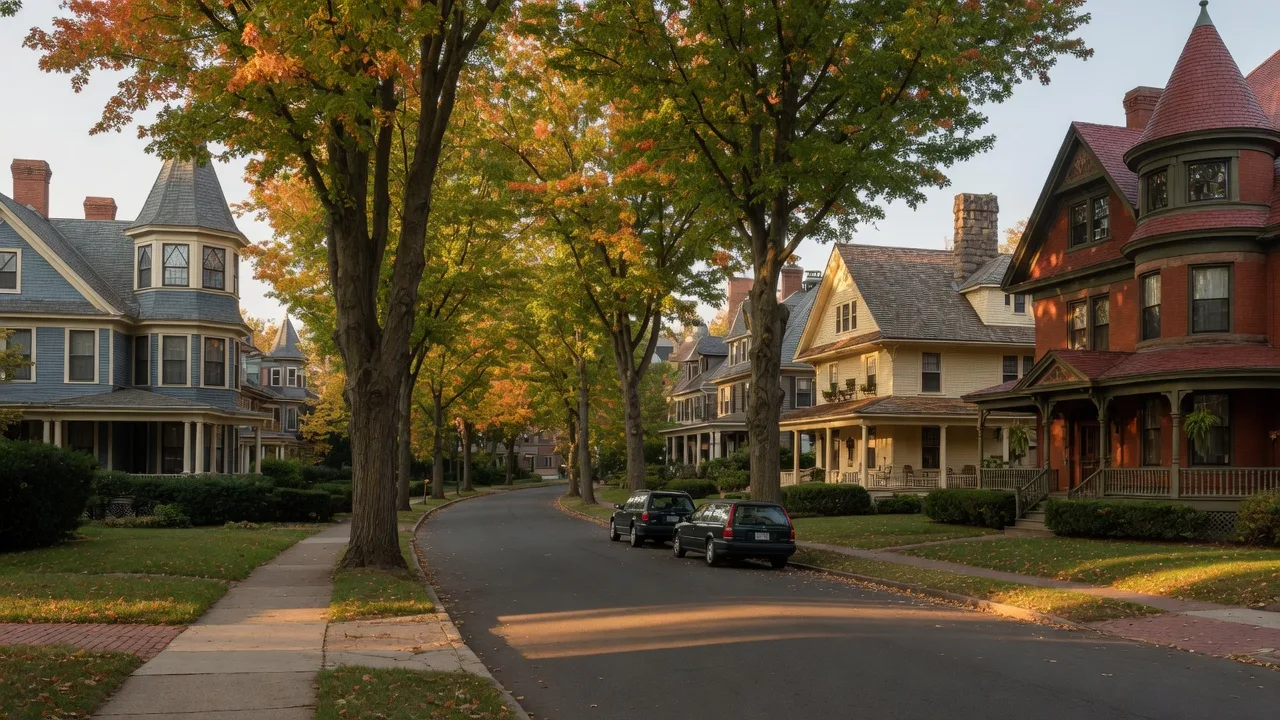
Prospect Hill was developed roughly between 1880 and 1930 as an upscale enclave for prominent New Haven citizens, and it still carries that quiet, self-assured feel. The streets that climb the ridge, St. Ronan, Canner, Cliff, Edwards, Autumn, and Livingston among them, are lined with single-family homes on landscaped lots, a rarity in a city neighborhood and the reason Prospect Hill feels more like a leafy village than an urban district. Whitney Avenue is the friendly dividing line with East Rock; cross to the east side and the pace and architecture shift almost immediately. The mix of long-time families, Yale faculty and staff, and professionals who love the walk to downtown keeps the block parties, porch life, and neighborhood pride very much alive.
Historic Homes and Housing Stock
The housing stock is the star of Prospect Hill. Most of the residential neighborhood sits within the Prospect Hill Historic District, an irregular 185-acre district listed on the National Register of Historic Places in 1979 with roughly 270 contributing buildings. That means major collections of Queen Anne, Shingle Style, Colonial Revival, and Tudor Revival architecture, from turreted Victorians to stately brick colonials. Around 94 percent of the buildings are single-family houses on landscaped lots, with carriage houses, small apartment buildings, and a few two- and three-family homes mixed in. Historic charm like this does not come cheap, and Prospect Hill is among the more affluent corners of New Haven real estate, but buyers find lasting value in an address that will never be duplicated.
Yale on the Doorstep
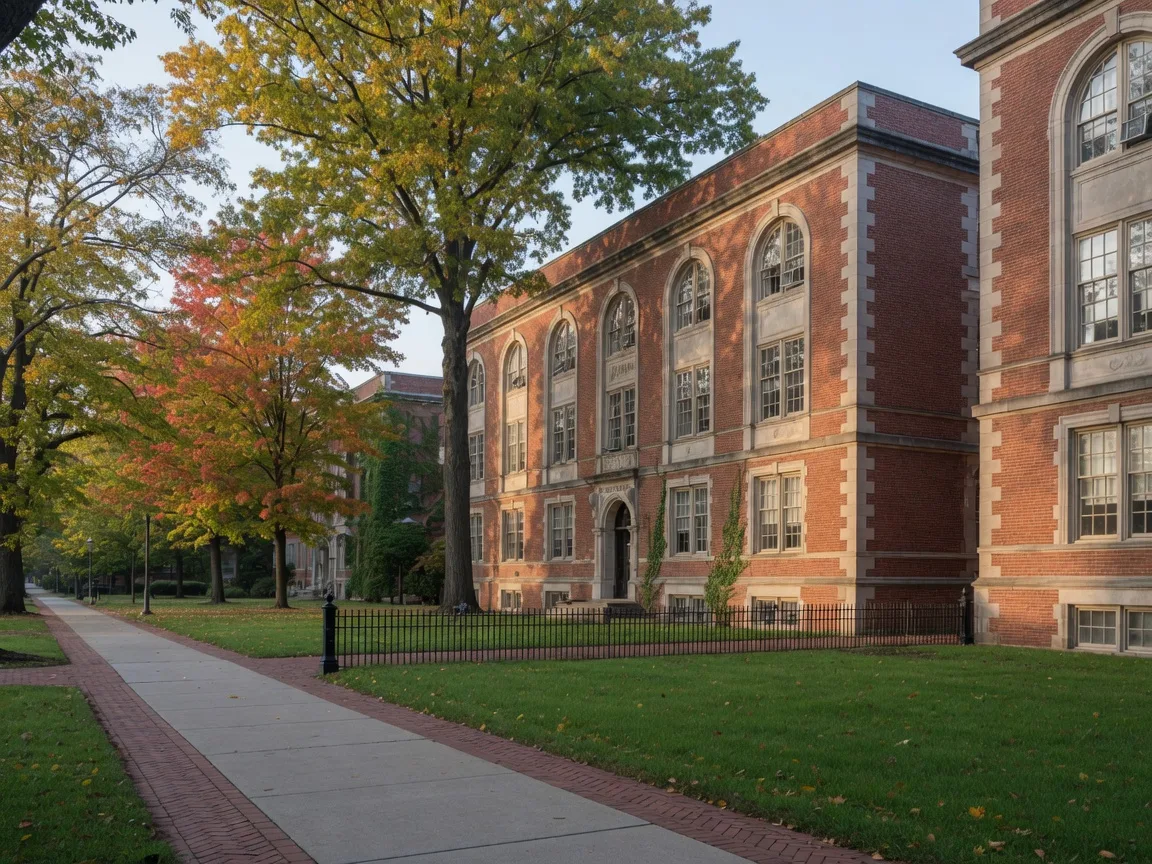
Prospect Hill is also Yale's hill. Science Hill climbs Prospect Street with Sterling Chemistry Laboratory, Kline Biology Tower, the tallest building on the Yale campus, and a cluster of labs that give the street its scholarly rhythm. The Sterling Divinity Quadrangle at 409 Prospect Street has anchored Yale Divinity School at the crest of the hill since 1932, and the Connecticut Agricultural Experiment Station, the first of its kind in the nation, anchors the west side of the neighborhood on Huntington Street. Just at the foot of the hill, the free Yale Peabody Museum on Whitney Avenue is a favorite weekend spot for local families.
Schools and Daily Life
Families in Prospect Hill are zoned for Worthington Hooker School, one of New Haven's top-rated public schools covering grades K-8, with students typically moving on to Wilbur Cross High School; as with every New Haven school, families can also apply through the citywide School Choice lottery. Daily life is quietly connected: East Rock Park's trails and summit views are a short walk or bike ride away, while downtown dining, theaters, and the New Haven Green are an easy stroll down the hill. It is the rare neighborhood where a morning walk takes you from century-old mansions to a world-class university campus in fifteen minutes.
Whether you are drawn to Victorian porches, Yale's proximity, or a neighborhood that has kept its character for over a century, Prospect Hill is worth a serious look. I know this neighborhood and the wider New Haven real estate market inside and out, and I would love to walk you through available homes. Reach out to Robert Clarke at Coldwell Banker Realty at (203) 936-9004 or rob@robandvicCT.com, and let's explore Prospect Hill together.
Frequently Asked Questions About Prospect Hill, New Haven
- What kinds of homes are in Prospect Hill?
- Most of the neighborhood sits within the Prospect Hill Historic District, an irregular 185-acre district listed on the National Register of Historic Places in 1979 with roughly 270 contributing buildings. Developed between 1880 and 1930, it is full of Queen Anne, Shingle Style, Colonial Revival, and Tudor Revival homes, and around 94 percent of the buildings are single-family houses on landscaped lots, with carriage houses and a handful of small apartment buildings mixed in.
- Is Prospect Hill the same as East Rock?
- No, though the two are close cousins. Whitney Avenue is the dividing line: the west side of Whitney is Prospect Hill and the east side is East Rock. Prospect Hill was developed later, roughly 1880 to 1930, as an upscale enclave of prominent New Haven citizens, while East Rock is larger and grew earlier. Cross the avenue and you will notice the shift in character almost immediately.
- What schools serve Prospect Hill?
- The neighborhood is zoned for Worthington Hooker School, one of New Haven's top-rated public schools, covering grades K-8, with students typically moving on to Wilbur Cross High School. Families can also apply to magnet schools across the city through New Haven's School Choice lottery.
- What Yale institutions are in Prospect Hill?
- Yale's Science Hill lines Prospect Street with buildings like Sterling Chemistry Laboratory and Kline Biology Tower, and the Sterling Divinity Quadrangle at 409 Prospect Street has been home to Yale Divinity School since it opened in 1932. The free Yale Peabody Museum sits just at the foot of the hill on Whitney Avenue.

About the Author
Robert Clarke is a licensed Connecticut real estate agent with 30 years of experience helping families buy and sell homes across New Haven, North Haven, and all of Connecticut. With a Master's degree from George Washington University and a background in systems engineering, Robert brings a unique analytical approach to New Haven real estate.
Contact Robert at (203) 936-9004 or rob@robandvicCT.com.
Related Articles
-
Neighborhood Spotlight: East Rock
Prospect Hill's neighbor across Whitney Avenue, with Victorian homes, Orange Street dining, and East Rock Park views.
-
Worthington Hooker School: An In-Depth Review
A closer look at the top-rated K-8 public school zoned for Prospect Hill families, including the lottery process.
-
Yale Peabody Museum: A Local's Guide
Free family outings at the museum that sits at the foot of Prospect Hill, from the T. rex to the Age of Reptiles mural.
Written by Robert Clarke -- Connecticut Licensed Real Estate Agent, License #0815837, Coldwell Banker Realty